DC Zijderlaan - Dinteloord
Future-oriented DC. Sustainably built, innovatively designed, BREEAM Outstanding certified.
Sustainable distribution centre
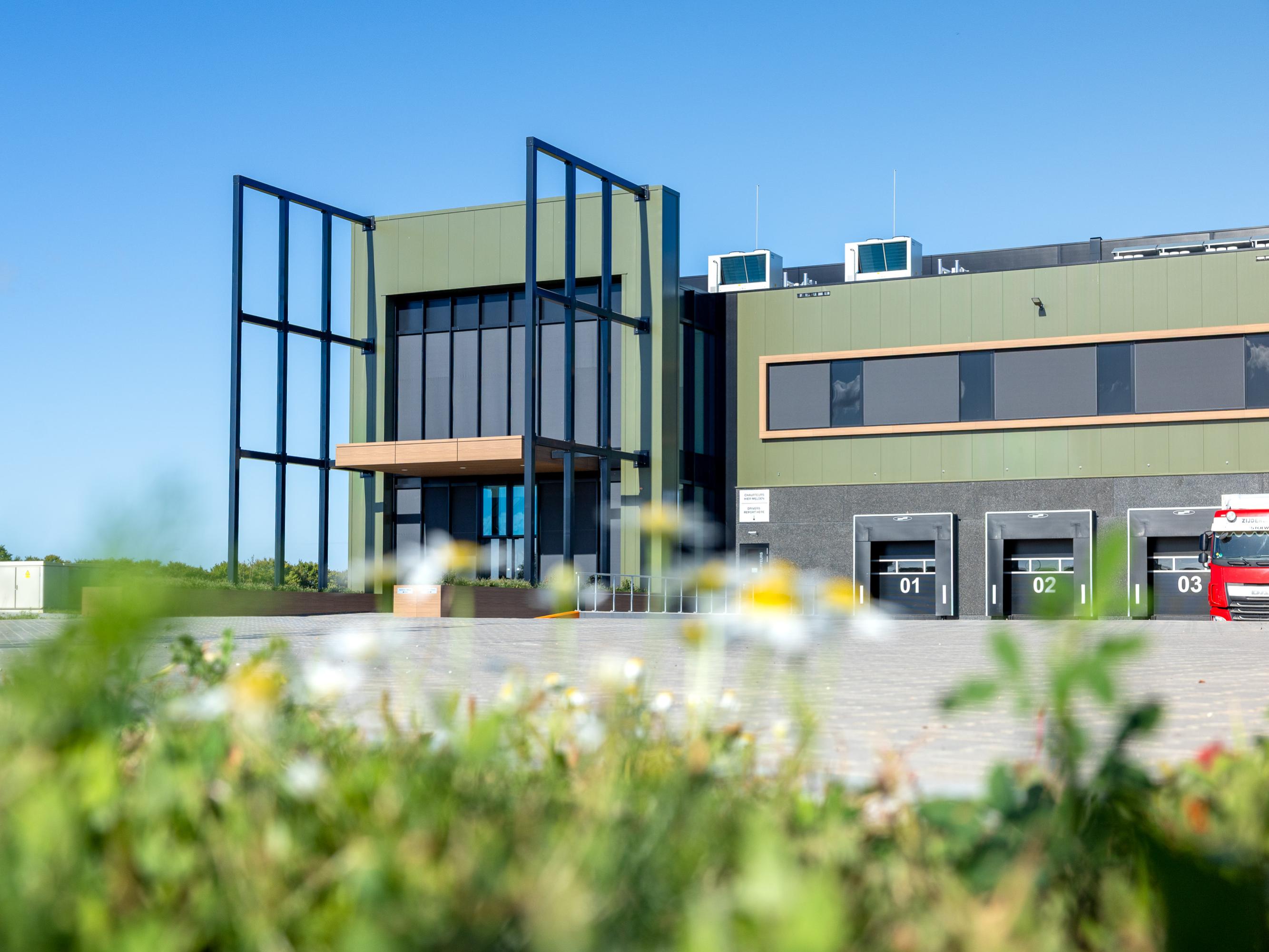
DC Zijderlaan - Dinteloord is located at the Nieuw Prinsenland Agro & Food Cluster, directly on the A4 motorway between Antwerp, Rotterdam and Moerdijk. The distribution centre was built to the highest sustainability standards and holds BREEAM Outstanding certification. This means that the building meets the strictest standards in terms of energy, water, materials and ecology. With the installation of approximately 3,380 solar panels, the DC largely meets its own energy requirements.
Storage capacity and phases
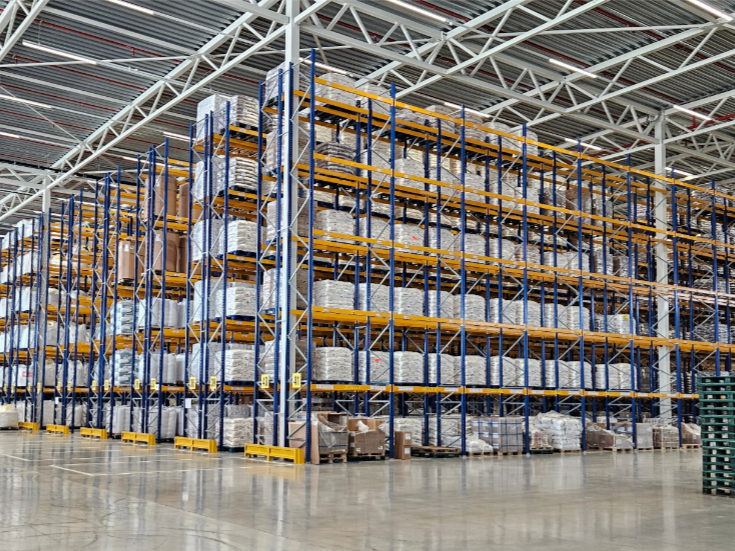
The new distribution centre in Dinteloord will be built in four phases. Phase 1 has been operational since May 2025 and offers 28,750 pallet spaces in narrow aisles, equipped with reach trucks. Ultimately, the total capacity will rise to approximately 70,000 pallets across an area of 33,000 m². The approved heights of 20 to 30 metres make future phases suitable for fully automated warehouses with pallet cranes. This enables Zijderlaan to respond flexibly to the growing need for storage space and bespoke solutions for various clients.
Sustainable travel
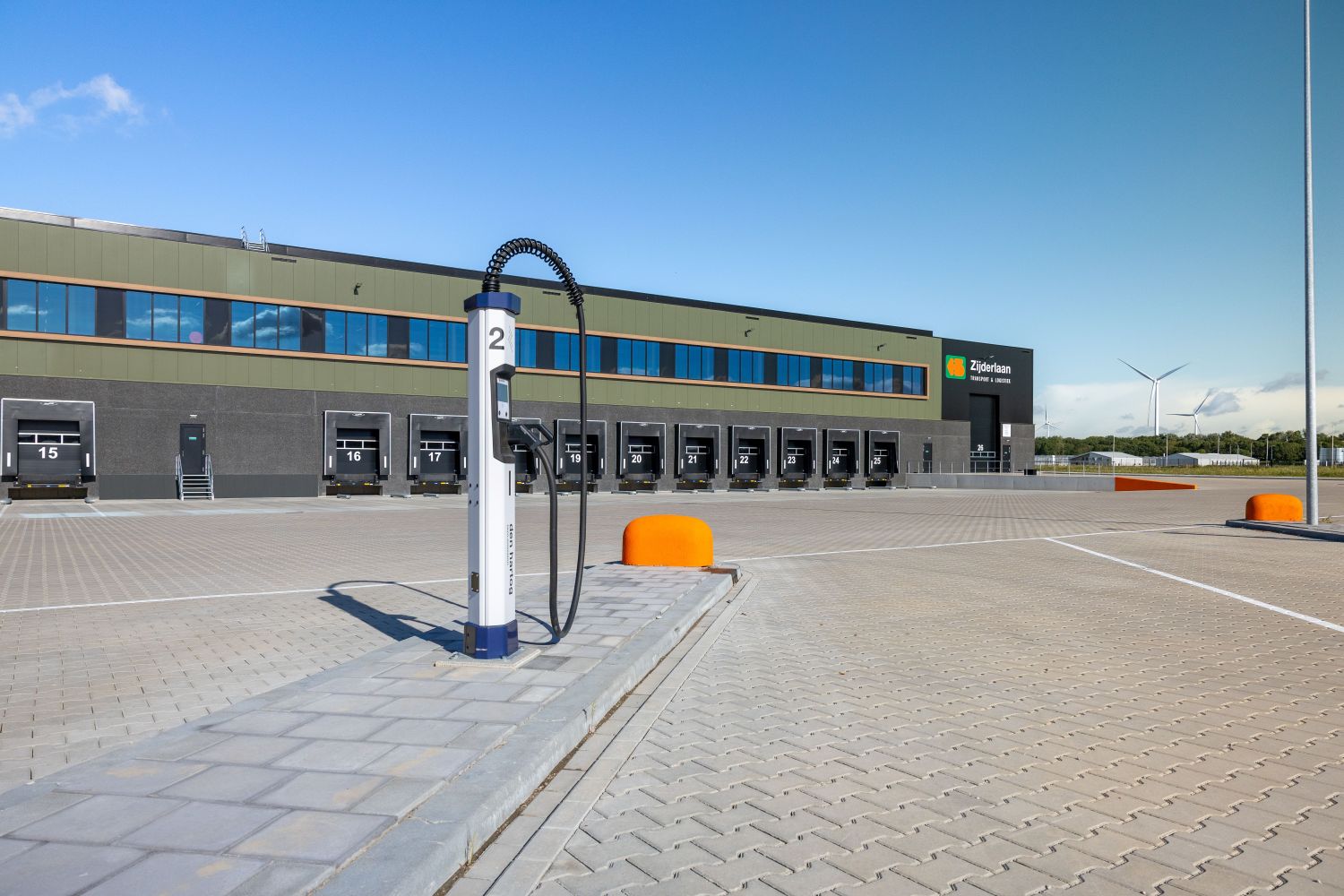
We have set up a charging station on our premises comprising six charging points with a total capacity of 600 kW. This facility is also available to third parties upon request. Four trucks can fast-charge simultaneously at 150 kW per hour, reaching 80% charge in under two hours. During the day, charging is powered by electricity generated by our own solar panels; outside of daylight hours, the energy management system ensures the efficient allocation of available power based on demand and energy prices.

Innovation and synergy
DC Dinteloord has been designed with a focus on nature, innovation and collaboration. It is situated on a site where businesses from the agri-food sector come together, fostering synergy and sustainable initiatives. Examples include sharing green energy, reducing CO₂ emissions through shorter transport distances, and the use of electric shuttle lorries. In addition, rainwater is collected and supplied to greenhouse horticulture businesses in the surrounding area. Knowledge development is also central, with a focus on work-based learning programmes and the potential establishment of a dedicated vocational college.